5 minutes
From Gatekeeping to Gateway: AI and the Open Source Learning Curve
Originally published on Substack, Mar 13, 2026
Contributing to open source has never been as open as the name suggests. Every project has its own architecture, unwritten rules, and context that lives in maintainers’ heads. Submitting your first PR is intimidating especially if you’re already underrepresented in the space. Research consistently shows women make up less 10% of open source code contributors, and participation data for many other groups remains sparse. Maintainers are often overextended and unpaid. Feedback is slow. And all of this is intensifying as open source goes global. GitHub reported approximately 36 million new developers joined the platform in 2025 alone.
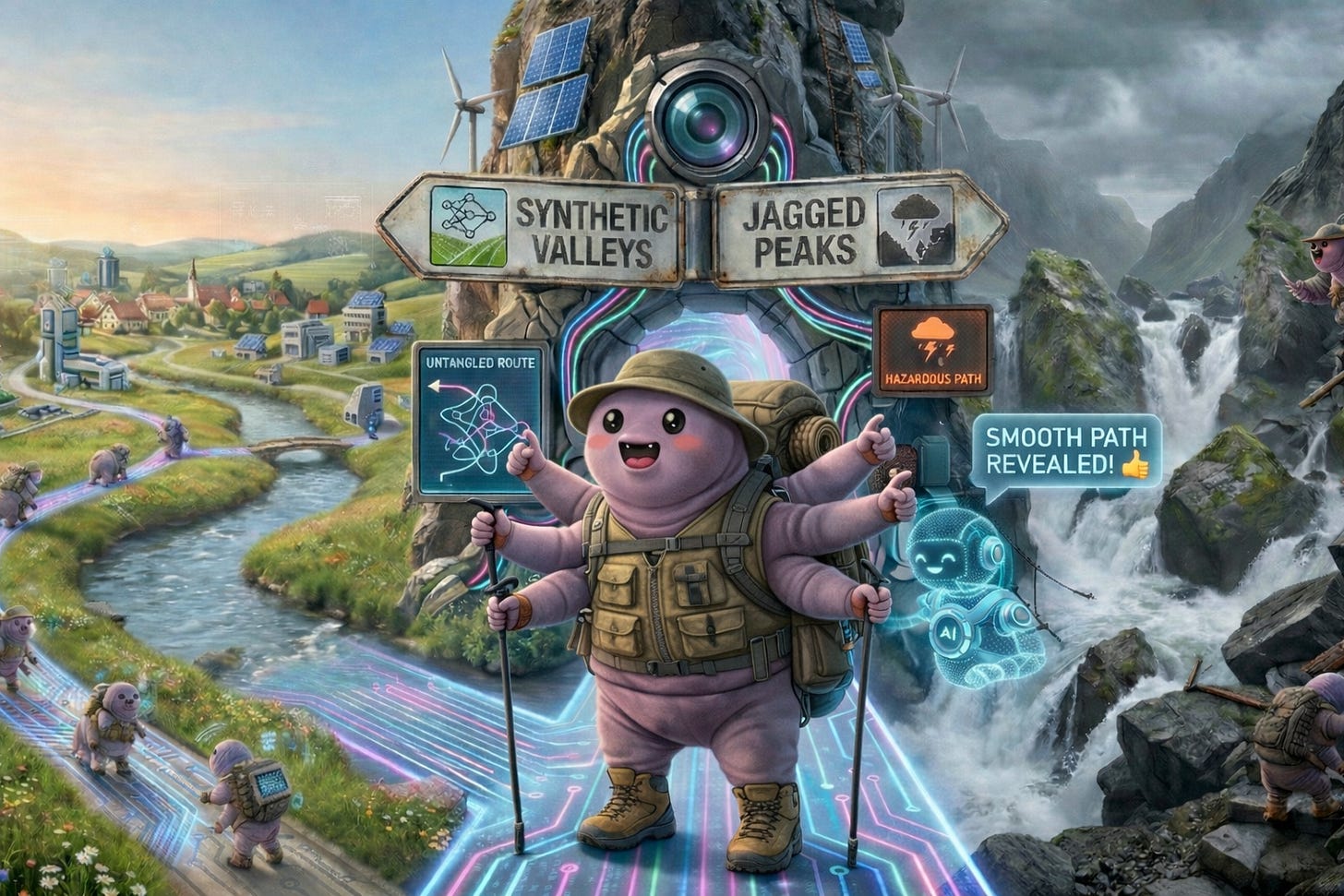
AI doesn’t fix all of that. But it can be the trail buddy that makes the path less daunting if you use it right.
I’ve spent most of my tech career in and around open source from building an open source neural net platform, to OSS stints at Google, to working on my Fight Health Insurance (FHI) startup and my current role at Temporal, whose core product is open source. I know open source. And what I know is this: it’s open, but it is not always easy.
How AI Makes Participation More Possible
For newcomers, AI changes what it feels like to approach an unfamiliar codebase.
You can point an LLM at a repository and get a summary of the architecture, key abstractions, and likely entry points in minutes. When I demoed this with Claude on the Rich Python library, it quickly surfaced the major architectural pieces, dev setup, and approachable issue areas.
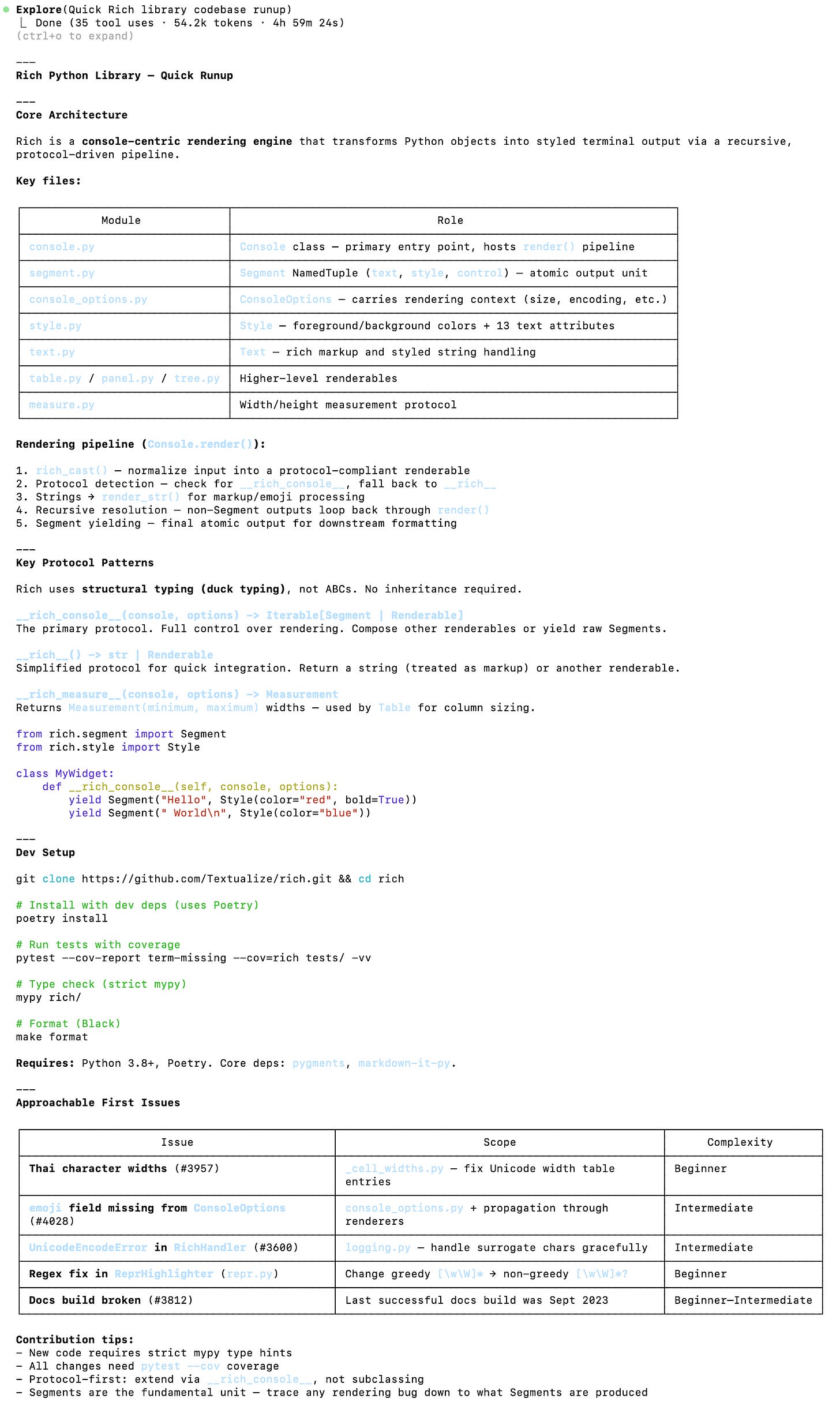
Not perfect context but a running start that used to take hours of reading. And if English isn’t your first language, AI can bridge that gap too, helping you parse not just the code but the idioms and assumptions baked into the documentation. GitHub’s 2026 outlook notes that AI has played a major role in accelerating global participation by making it easier for new developers to understand codebases and make their first contributions sooner.
You can ask beginner questions without anyone watching. You can be wrong without social cost, and you can get support as you get everything set up. For anyone who feels intimidated by public contribution, it’s a private sandbox to experiment, which can make the first public step much more reachable.
And before and after you submit code, AI tools can flag obvious code and PR issues and help you tighten the change. In FHI, CodeRabbit caught inconsistencies in encryption patterns and surfaced documentation issues almost immediately in our GitHub PRs. That kind of structured early feedback used to mean waiting days for a human reviewer.
How AI Helps People Already Doing the Work
AI isn’t just useful for getting started. For active contributors, it can summarize long PR threads, identify regressions, scaffold tests, and help you resume work faster after context switches. Testing, the thing every team knows matters and every team under deadline pressure cuts corners on, becomes more realistic when AI can help you ship robust coverage without blowing your timeline.
For maintainers, it can help triage issues, detect duplicates, and filter noise so human energy goes toward the decisions that matter most. Tooling catches the obvious stuff like style issues, missing tests, low-level regressions. Maintainers can spend their limited time on things that actually need human judgment.
My friend, Francesc Campoy, and I recently livestreamed a revisit of his old Go library, embedmd, which he hadn’t touched in about a decade. We used Claude and Codex to understand the current state of the repo, identify worthwhile fixes, and clear some neglected maintenance work. One older PR from his community even got merged after sitting untouched for years. That’s where AI shines: not replacing maintainers, but helping people recover context and reduce backlog friction.
It’s Not All Good
The same tools that make contribution more possible also make it trivially easy to generate low-quality contributions at scale. There is a lot of AI slop: high-volume, low-quality, often inaccurate issues and pull requests that consume reviewer time without helping projects move forward. GitHub’s Octoverse data describes the flood of auto-generated submissions as comparable to a denial-of-service attack on human attention.
Real projects are feeling it. The cURL project shut down its bug bounty program after six years because AI-generated security reports overwhelmed the maintainers. Ghostty moved to a zero-tolerance policy where submitting bad AI-generated code gets you permanently banned. The tldraw project announced it would auto-close all external pull requests.
I’ve done it too where I’ve submitted AI-generated work that wasn’t ready. The tools make it easy to move fast and skip the part where you actually understand what you’re submitting.
Show Up Like It Matters
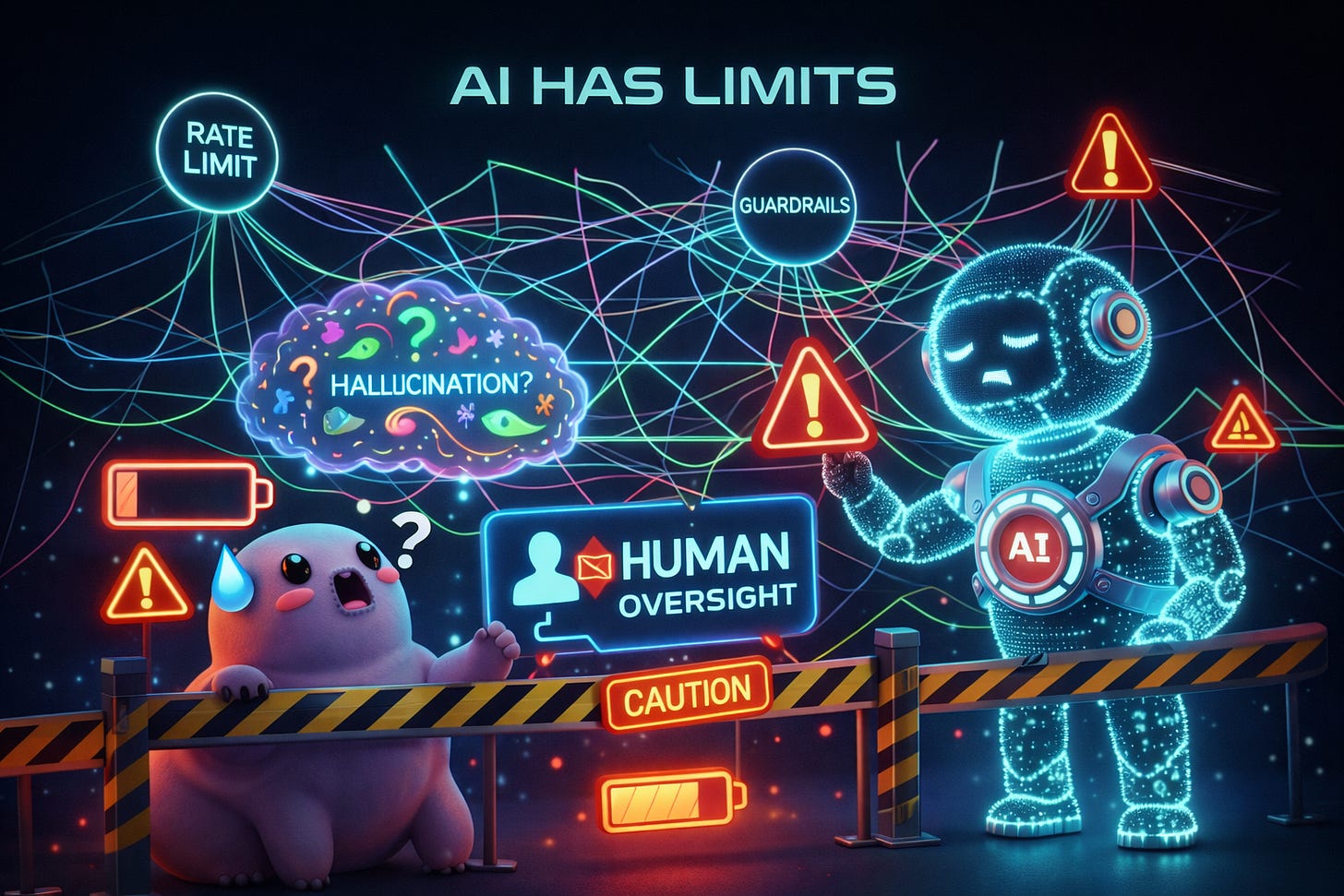
Given all of this, using AI to contribute comes with responsibility. Understand the code you submit. If you can’t explain what it does and why, don’t open the PR. Check whether a project has a policy on AI-generated contributions; more of them do now. Keep changes tightly scoped. And remember that AI is often confident when it is wrong. You cannot outsource judgment.
More fundamentally: AI doesn’t replace the human side of open source. It’s a partner, not a replacement and that distinction matters more than any other point in this post. Community over code. Trust is still earned. Reputation is still built over time. The maintainers and long-time contributors on the other side of your pull request are handling more volume than ever. How you show up matters more than it used to.
The Road Ahead
The future of open source isn’t contributor replacement. It’s better partnership: faster understanding, better feedback, more inclusive contribution pathways without forgetting the people on the other side of the pull request.
AI may be a trail buddy, but you’re still responsible for where you walk.
Pick a repo you’ve been curious about. Ask a code assistant to help you understand it. Then read the contribution guidelines before you open anything.
Resources
GitHub Octoverse / 2026 Outlook:
- Octoverse 2025 report: https://github.blog/news-insights/octoverse/octoverse-a-new-developer-joins-github-every-second-as-ai-leads-typescript-to-1/
- “What to expect for open source in 2026”: https://github.blog/open-source/maintainers/what-to-expect-for-open-source-in-2026/
RedMonk AI policy landscape (73 open source orgs):
- https://redmonk.com/kholterhoff/2026/02/26/generative-ai-policy-landscape-in-open-source/
- The precursor “AI Slopageddon” piece: https://redmonk.com/kholterhoff/2026/02/03/ai-slopageddon-and-the-oss-maintainers/
cURL bug bounty shutdown:
- Daniel Stenberg’s blog post: https://daniel.haxx.se/blog/2026/01/26/the-end-of-the-curl-bug-bounty/
Ghostty zero-tolerance policy:
- Mitchell Hashimoto’s announcement:
tldraw auto-closing external PRs:
- Steve Ruiz’s blog post: https://tldraw.dev/blog/stay-away-from-my-trash
- GitHub issue announcement: https://github.com/tldraw/tldraw/issues/7695
Women in OSS literature review (the <10% stat):
- Trinkenreich et al., “Women’s Participation in Open Source Software: A Survey of the Literature”: https://arxiv.org/abs/2105.08777
$ cd /posts/ — all posts